
 Mar 20, 2026

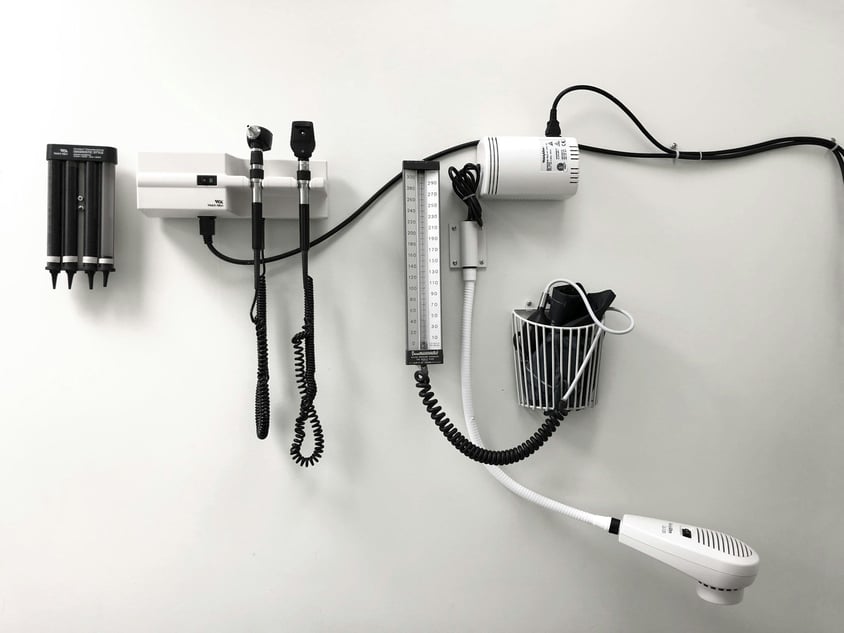
Medical device suppliers face a unique financial paradox: they must extend generous net terms to compete in healthcare procurement while navigating payment cycles that can stretch 60-90 days, all while hospitals themselves grapple with what the American Hospital Association calculated as nearly $130 billion in combined Medicare/Medicaid underpayments in 2022. Trade credit insurance serves as one approach to managing buyer default risk, covering a portion of unpaid invoices when customers fail to pay. Modern B2B payment platforms like ResolvePay's net terms solution provide an alternative approach, advancing up to 90% of invoice value within 24 hours while assuming credit risk through non-recourse financing—effectively accelerating cash flow and simplifying operations for medical device suppliers.
Key Takeaways
- Medical device suppliers face extended payment terms (60-90 days) while hospitals absorb what the American Hospital Association calculated as nearly $130 billion in underpayments from Medicare/Medicaid in 2022, creating cash flow constraints
- Trade credit insurance covers a portion of unpaid invoices when buyers default, typically 75-95% of invoice value with deductibles and claims processing timelines
- Medical device sales often involve high-value transactions, making payment delays particularly impactful for supplier operations
- Modern B2B payment platforms provide instant credit decisions, 24-hour advance payment, and non-recourse financing that addresses both cash flow and risk management needs
- ResolvePay's healthcare-specific underwriting evaluates NPPES licensing, CAQH databases, and OIG exclusion lists to assess buyer risk beyond traditional financial statements
- Integrated payment platforms connect seamlessly with existing ERP and accounting systems, minimizing administrative overhead
Understanding the Unique Financial Risks for Medical Device Suppliers
Medical device sales operate in a high-stakes financial environment where suppliers must balance competitive payment terms with operational sustainability. Unlike standard B2B transactions, medical equipment and supply sales involve intricate procurement processes, extended evaluation periods, and payment terms that can strain supplier cash flow.
The Anatomy of Healthcare Procurement Delays
Hospital procurement cycles involve multiple stakeholders from clinicians to finance committees. A single equipment purchase may require:
- Clinical evaluation and trials lasting weeks to months
- Capital budget approval through quarterly or annual cycles
- Competitive bidding processes mandated by hospital policies
- Group Purchasing Organization (GPO) negotiations adding additional layers
- Regulatory compliance verification for specialized equipment
These processes create a fundamental disconnect: suppliers must fulfill orders immediately to meet patient care needs while waiting extended periods for payment. Healthcare suppliers often experience Days Sales Outstanding (DSO) of 40-70 days, significantly higher than many other B2B sectors.
Impact on Cash Flow and Growth
The financial pressure on medical device suppliers is compounded by systemic healthcare funding challenges. According to the American Hospital Association, Medicare reimburses hospitals at just 82 cents for every dollar spent on patient care, creating payment timing pressures throughout the entire supply chain. This environment requires suppliers to carefully manage:
- Inventory investment required to meet immediate patient needs
- Operational costs for staff, facilities, and R&D funded upfront
- Growth opportunities that depend on available cash flow
- Competitive pressure to offer net terms while managing financial risk
For suppliers serving large hospital systems with orders potentially reaching six figures or more, delayed payments can significantly impact operational continuity.
How Trade Credit Insurance Functions for Medical Device Sales
Trade credit insurance serves as a risk management tool for B2B suppliers facing customer default risk. The product functions by insuring accounts receivable against non-payment due to insolvency, bankruptcy, or protracted default.
Mechanisms of Credit Insurance Protection
Trade credit insurance policies typically cover 75-95% of unpaid invoice values, with coverage triggered when customers fail to pay within specified timeframes (usually 90-180 days past due). Insurance companies provide:
- Credit limit assignment for individual buyers based on financial analysis
- Continuous monitoring of buyer financial health and payment behavior
- Debt collection services when defaults occur
- Claims processing and payout for covered losses
Suppliers can face substantial deductibles that may reach significant amounts, and the claims process typically involves documentation requirements and processing timelines.
Assessing Healthcare Buyer Creditworthiness
Insurance providers maintain databases monitoring buyer financial health across industries. When healthcare buyers show signs of financial stress, insurers can adjust credit limits and flag high-risk accounts for enhanced monitoring.
The healthcare sector presents unique assessment challenges. Hospital financial statements may appear stable while facilities face the systemic underpayment pressures documented by the American Hospital Association, creating nuances in payment capacity evaluation.
ResolvePay's Integrated Approach to Net Terms and Cash Flow
Healthcare-Specific Credit Assessment
ResolvePay's credit evaluation goes beyond traditional financial statements to assess healthcare-specific risk factors. The platform's AI models analyze:
- Healthcare licensing status through NPPES and state licensing databases
- Provider exclusion lists including OIG LEIE and SAM.gov screenings
- Operational performance indicators such as patient volumes and facility utilization
- Payer mix diversity across reimbursement sources
- Multi-entity relationship mapping across hospital systems
This comprehensive assessment provides credit insights tailored to healthcare organizations, enabling instant approval for qualified purchases up to USD $25,000 and rapid decisions on larger orders.
Accelerating Cash Flow with Advanced Payment
Rather than waiting 60-90 days for hospital payment, ResolvePay advances up to 90% of invoice value within 24 hours of approval through its net terms solution. This immediate cash flow enables suppliers to:
- Maintain inventory levels for urgent patient care needs
- Fund operational costs without external financing delays
- Invest in growth opportunities without cash flow constraints
- Compete effectively by offering flexible payment terms
The advance payment structure addresses the cash flow gap that medical device suppliers face when extending competitive net terms to healthcare buyers.
Non-Recourse Financing Structure
ResolvePay's financing is non-recourse, meaning approved cash advances are guaranteed regardless of buyer payment behavior. This structure provides certainty for suppliers while eliminating the documentation and waiting periods associated with traditional insurance claims processes.
The platform protects invoices ranging from USD $1,000 to USD $1,000,000 per approved customer, providing scalable protection as supplier-buyer relationships grow.
Streamlining Operations Through Automation and Integration
AI-Powered Accounts Receivable Management
ResolvePay's AI-powered Accounts Receivable platform automates collections workflows, including:
- Automated payment reminders sent at optimal intervals
- Escalation workflows for past-due accounts
- Dispute resolution management through integrated communication tools
- Payment tracking across multiple payment methods
This automation reduces manual effort while maintaining professional communication that preserves customer relationships. The white-label approach maintains supplier brand identity throughout the payment process.
Seamless ERP and Accounting Integration
ResolvePay's integration platform connects with leading ERP and accounting systems including QuickBooks, NetSuite, Sage Intacct, Oracle, and Microsoft Dynamics. Integration features include:
- Automated invoice syncing from accounting systems to ResolvePay
- Real-time payment reconciliation across all payment methods
- Auto-bookkeeping that pushes transaction records back to original invoices
- Unified financial reporting across all B2B transactions
This eliminates manual data entry and reconciliation errors while ensuring accurate financial records. The platform automatically imports customer information, credit limits, payment history, and order data from existing systems.
Multi-Channel Transaction Support
ResolvePay serves as a unified platform for all B2B transaction types, whether conducted through e-commerce, traditional sales, field representatives, or hybrid models. The Net Terms for Ecommerce solution integrates directly into medical supply platforms, providing instant credit approval at checkout for purchases up to USD $25,000.
This removes friction from the purchasing process, particularly valuable for emergency equipment orders and first-time buyers who haven't established credit history. The consistent payment terms and credit assessment across all sales channels ensures a seamless experience for both suppliers and buyers.
Enhancing Customer Relationships with Flexible Payment Options
Empowering Healthcare Buyers
Healthcare buyers face cash flow constraints due to the reimbursement challenges documented by the American Hospital Association and complex billing cycles. By offering flexible net terms through ResolvePay, suppliers enable hospitals to:
- Maintain adequate inventory levels for patient care without immediate cash outlay
- Smooth cash flow cycles aligned with their own reimbursement timing
- Make larger equipment purchases that might otherwise be delayed
- Respond to urgent needs without payment processing delays
This enhanced purchasing flexibility translates directly to increased sales volume and customer retention, as buyers gravitate toward vendors offering the most accommodating payment terms.
Maintaining Brand Identity with White-Label Solutions
ResolvePay's white-label payment portal maintains the supplier's brand identity throughout the payment process. Buyers interact with the supplier's branded interface for payment method selection, scheduling, invoice management, and support communications.
This preserves the direct relationship between supplier and buyer while providing all the benefits of flexible payment terms and professional payment management. The branded experience enhances customer loyalty rather than introducing third-party payment entities into the relationship.
Why Medical Device Suppliers Choose ResolvePay
ResolvePay fundamentally reimagines the B2B payment relationship for medical device suppliers by combining instant credit assessment, immediate cash flow, and comprehensive risk protection into a single, streamlined platform. The healthcare-specific underwriting evaluates thousands of data points beyond traditional financial statements, including critical compliance factors like NPPES licensing verification and OIG exclusion screening.
For medical device suppliers facing extended payment cycles and high-value transactions, ResolvePay provides immediate relief through 24-hour advance payments of up to 90% of invoice value. The non-recourse financing structure guarantees protection for approved invoices, eliminating uncertainty while preserving supplier cash flow.
The platform's seamless integration with existing accounting systems and e-commerce platforms minimizes administrative overhead while maintaining brand identity through white-label payment portals. This combination of immediate cash flow, comprehensive risk management, and operational simplicity enables medical device suppliers to grow revenue while protecting their financial stability in the complex healthcare marketplace.
Frequently Asked Questions
What specific risks do medical device suppliers face in healthcare payments?
Medical device suppliers face extended payment cycles of 60-90 days, high-value transactions, and buyers dealing with what the American Hospital Association calculated as nearly $130 billion in Medicare/Medicaid underpayments in 2022. These factors create significant cash flow management challenges for suppliers extending competitive net terms.
How does ResolvePay assess creditworthiness for healthcare buyers?
ResolvePay's credit assessment evaluates healthcare-specific factors beyond traditional financial statements, including NPPES licensing verification, CAQH database checks, OIG exclusion list screening, and operational performance metrics. This comprehensive evaluation provides deeper credit insights tailored to healthcare organizations.
Can ResolvePay help medical device suppliers with immediate cash flow?
Yes, ResolvePay advances up to 90% of invoice value within 24 hours for approved buyers, regardless of whether buyers have Net 30, 60, or 90 day payment terms. This immediate cash flow enables suppliers to maintain operations and invest in growth while buyers retain their extended payment terms.
How does ResolvePay's non-recourse financing work?
Non-recourse financing means that approved cash advances are guaranteed for the supplier regardless of buyer payment behavior. This eliminates the uncertainty of claims processing and provides comprehensive protection for approved invoices ranging from USD $1,000 to USD $1,000,000 per customer.
What integration options does ResolvePay offer for existing systems?
ResolvePay integrates seamlessly with leading ERP and accounting systems including QuickBooks, Oracle, NetSuite, Sage Intacct, Magento, Shopify, and BigCommerce. The platform offers instant plug-ins for common systems and flexible APIs for custom implementations, with automatic data syncing that eliminates manual entry requirements.
This post is to be used for informational purposes only and does not constitute formal legal, business, or tax advice. Each person should consult his or her own attorney, business advisor, or tax advisor with respect to matters referenced in this post. Resolve assumes no liability for actions taken in reliance upon the information contained herein.