Jul 24, 2026

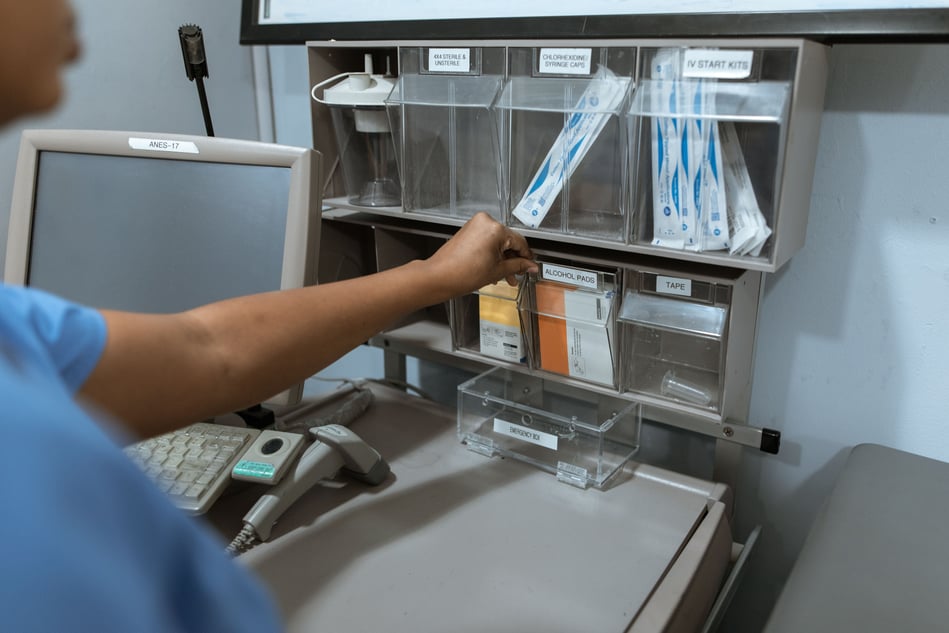
Airgas is a major U.S. distributor of industrial, medical, and specialty gases, welding equipment, safety products, and related supplies. Its published account terms show how a large industrial supplier can extend payment time to approved business customers while maintaining formal credit and collection controls. For distributors, manufacturers, and wholesalers that want to provide similar flexibility, a modern net terms platform can support credit decisions, invoice advances, accounts receivable workflows, and buyer payments without requiring the seller to manage every step internally.
Key Takeaways
- Airgas commonly uses Net 30 terms: Its published account agreement states that payment is generally due within 30 days of the invoice date unless a separate contract specifies different terms.
- Credit approval is required: Businesses seeking an Airgas account must complete an application and provide information that supports a credit review.
- Contract terms can vary: A historic State of Michigan contract used Net 45 terms, showing that payment schedules may differ for negotiated or institutional accounts.
- Payment delays create administrative work: A Stanislaus County case involving older Airgas invoices shows how routing and approval problems can delay payment beyond the original invoice period.
- Clear billing reduces confusion: A VCU agreement consolidated certain cylinder rental costs into gas pricing, simplifying how participating departments reviewed charges.
- Resolve Pay supports safer net terms: Sellers can combine credit assessment, non-recourse invoice advances, payment processing, reconciliation, and collections in one B2B payment workflow.
Understanding Common Payment Terms
What Net Terms Mean
Net terms state how long a buyer has to pay an invoice in full. Net 30 generally means payment is due 30 calendar days after the invoice date. Net 45, Net 60, and Net 90 follow the same structure but provide longer payment periods.
These arrangements are also called trade credit because the seller delivers products or services before receiving full payment. The seller is effectively extending short-term credit directly to the buyer.
Common structures include:
- Net 15: Payment is due within 15 days.
- Net 30: Payment is due within 30 days and is widely used in B2B transactions.
- Net 45: Payment is due within 45 days and may appear in negotiated contracts.
- Net 60: Payment is due within 60 days, often for established commercial accounts.
- Net 90: Payment is due within 90 days and may be used for larger or more complex customer relationships.
The exact starting point should always be stated clearly. Some invoices calculate the period from the invoice date, while individual contracts may use delivery, acceptance, or another agreed event.
Benefits of Flexible Payment Terms
Flexible payment terms can make it easier for business buyers to place orders without immediately using cash that may be needed for payroll, inventory, or other operating expenses.
For sellers, net terms can support:
- Larger or more frequent orders
- Stronger long-term customer relationships
- A smoother purchasing experience
- Greater competitiveness in contract negotiations
- Fewer payment-related objections during the sales process
However, those benefits depend on the seller’s ability to evaluate buyers, monitor open invoices, and maintain sufficient working capital.
Risks of Extended Payment Terms
Offering payment terms creates responsibilities that do not exist in a prepaid transaction.
The main risks include:
- Delayed cash flow: Revenue remains in accounts receivable while operating expenses continue.
- Buyer default: A customer may become unable or unwilling to pay.
- Administrative work: Teams must create invoices, send reminders, investigate disputes, and reconcile payments.
- Longer collection cycles: Payment may arrive after the contractual due date.
- Concentration risk: A large balance from one buyer can create significant exposure.
A structured net terms management process helps sellers set credit limits, document approvals, track outstanding balances, and establish consistent collection procedures.
How Airgas Payment Terms Work
Standard Commercial Terms
The published Airgas account application states that, unless another contract specifies different terms, buyers must pay invoices in full within 30 days of the invoice date. This makes Net 30 the documented default for accounts governed by that agreement.
Airgas also notes that payment requirements may differ when another contract applies. Buyers should therefore confirm the terms printed on their invoices, purchase agreements, or account documentation rather than assuming every account follows the same schedule.
Applying for an Airgas Credit Account
Businesses that want to purchase gases on account must complete and return a credit application. Airgas guidance indicates that the application can be submitted through a nearby branch after completion.
The application requests information such as:
- Legal business name and billing address
- Business structure and years in operation
- Tax and business identification details
- Requested credit limit
- Annual sales and employee information
- Bank information
- Accounts payable contacts
- Trade references
- Purchasing and purchase-order requirements
Providing this information does not guarantee approval or a particular credit limit. Airgas reviews the application before deciding whether to establish an account and what terms to provide.
Contract-Specific Payment Schedules
Airgas terms may be adjusted through negotiated contracts. For example, a historic State of Michigan contract for compressed gases identified Net 45 payment terms.
This does not mean every government or institutional account automatically receives Net 45. It shows that payment periods can be established through an individual procurement agreement based on the customer, contract, and purchasing process.
Online Invoice Management
Airgas provides online tools that allow registered customers to find and pay invoices. Its published guidance also indicates that multiple invoices may be handled through the online account workflow.
The payment options available to a buyer may depend on account configuration and the applicable agreement. Customers should use their Airgas account portal or contact Airgas directly to confirm the methods available for a specific invoice.
Why Net Terms Can Strain Seller Cash Flow
Sellers Finance the Waiting Period
When a seller offers Net 30, the seller may deliver inventory and recognize the sale before receiving payment. During the waiting period, the business still needs funds for:
- Supplier invoices
- Employee compensation
- Freight and fulfillment
- Warehouse expenses
- Taxes and insurance
- New inventory purchases
- Sales and marketing activities
As receivables grow, the seller may appear profitable while having limited available cash. This gap can become more severe when buyers negotiate longer terms or pay after the due date.
Accounts Receivable Requires Ongoing Work
Managing accounts receivable involves more than sending an invoice. Finance teams may need to:
- Confirm purchase orders and billing contacts
- Correct invoice errors
- Deliver supporting documents
- Track due dates
- Send reminders
- Record buyer responses
- Resolve deductions and disputes
- Match incoming payments
- Escalate overdue accounts
An accounts receivable platform can centralize these activities and automate repetitive steps while preserving visibility for the finance team.
Payment Delays Can Become Compliance Problems
A Stanislaus County agenda item documented two Airgas invoices for goods received in July 2019 and April 2020 that remained unpaid for more than a year. The county explained that document-routing problems during clinic consolidation and its pandemic response contributed to the delay.
Because the invoices were more than one year old, additional authorization was required before payment could proceed. The case illustrates how missing documents, organizational changes, and approval bottlenecks can turn a small unpaid invoice into a larger administrative issue.
For sellers, reliable invoice delivery and follow-up procedures help identify these problems before invoices become seriously overdue.
Managing Credit And Financing Risk
Credit Decisions Before the Sale
A seller should determine whether a buyer is likely to pay before approving terms or shipping a large order. A business credit check can support this decision by evaluating the buyer’s business information and financial signals.
A practical credit process may include:
- Verifying the business identity
- Reviewing payment and financial indicators
- Assigning an appropriate credit limit
- Setting an invoice payment period
- Monitoring total outstanding exposure
- Reviewing the account when risk changes
Resolve Pay can perform streamlined credit assessments using the buyer’s business name and address. Results may be delivered within 24 business hours, while real-time credit decisions may be available in supported net terms workflows.
Recourse And Non-Recourse Financing
Invoice financing can provide cash before the buyer pays, but the allocation of default risk matters.
With recourse financing, the seller may be required to repay the provider when a customer does not pay. With non-recourse invoice financing, the provider assumes the covered payment risk for approved, valid, and undisputed invoices, subject to the program terms.
Resolve Pay combines non-recourse invoice advances with credit management and payment workflows. This allows eligible sellers to receive an advance on approved invoices while buyers retain their agreed payment period.
Trade Credit Insurance
Trade credit insurance can protect a seller against certain losses caused by customer insolvency or qualifying non-payment events. However, insurance and invoice advancement perform different functions.
Insurance primarily addresses covered losses. It does not automatically provide cash immediately after an invoice is issued. Sellers that need both risk protection and faster access to working capital may evaluate an integrated credit and invoice advancement model.
Offering Flexible Terms With Resolve Pay
Streamlined Credit Applications
Resolve Pay helps merchants offer B2B net terms through embedded or sales-assisted workflows. Buyers can apply for terms as part of the purchasing process, while Resolve evaluates eligibility and assigns credit decisions based on its underwriting criteria.
This can help sellers replace email-based credit applications, manual trade-reference calls, and disconnected spreadsheets with a more consistent workflow.
Invoice Advances For Approved Buyers
Resolve Pay can advance up to 90% of an approved invoice within 24 hours, with funds typically reaching the seller within one to two business days. Some Resolve Pay materials also describe Advance Pay of up to 100%, depending on the approved transaction and program structure.
This allows a seller to offer buyers additional time to pay without waiting for the full payment period before receiving working capital. Approval, advance amounts, and timing remain subject to buyer verification and Resolve Pay’s credit decision.
Branded Buyer Payment Experience
Resolve Pay provides a branded payment portal through which buyers can pay by ACH, wire transfer, credit card, or check. The seller’s brand remains visible throughout the payment experience.
A branded portal can help buyers:
- View invoices in one place
- Select an available payment method
- Review payment status
- Manage open balances
- Communicate about invoice issues
Resolve Pay also supports B2B payment workflows for net terms, invoicing, and reconciliation.
Accounts Receivable Automation
Resolve Pay’s AR automation tools can manage invoice workflows, payment reminders, reconciliation, and collections activity.
The platform supports:
- Automated invoice and reminder workflows
- AI-assisted collections management
- Payment-to-invoice matching
- Credit and AR dashboards
- Support for net terms, cash-on-delivery, and due-upon-receipt invoices
- Real-time transaction mapping and bookkeeping synchronization
These features help finance teams reduce repetitive work while keeping oversight of customer accounts.
ERP And Ecommerce Integrations
Resolve Pay provides financial system integrations for accounting, ERP, and ecommerce platforms. Published integrations include QuickBooks Online, Xero, NetSuite, Sage Intacct, Magento 2, BigCommerce, and supported custom API connections.
Resolve Pay also supports ecommerce workflows that allow eligible buyers to apply for net terms at checkout. Integrating credit and payments into the existing order process helps reduce duplicate data entry and keeps invoice records connected to the original transaction.
Improving Billing Clarity
Consolidating Related Charges
Billing complexity can make invoice approval more difficult, especially when buyers must track equipment, delivery, service, and rental charges separately.
VCU Procurement announced that its renewed Airgas agreement changed how certain cylinder rental costs were billed. Under the new arrangement, rental costs for products on the VCU Cylinder Gases Rider were included in the cost of the gas rather than appearing as a separate demurrage charge.
The VCU billing update applied to that institution’s agreement and should not be treated as a universal Airgas policy. Still, it demonstrates how contract-specific billing design can reduce the number of separate charges departments must review.
Creating Consistent Invoice Workflows
Sellers can make invoices easier to approve by:
- Using consistent product and customer names
- Including purchase-order numbers
- Showing the contractual due date clearly
- Attaching delivery or acceptance documents
- Sending invoices to the correct AP contact
- Giving buyers a central place to view balances
- Recording disputes before sending additional reminders
Resolve Pay’s centralized AR and payment workflows help merchants manage this process across online, offline, field-sales, and account-based transactions.
Why Resolve Pay Supports Industrial B2B Growth
Resolve Pay is designed for B2B merchants, manufacturers, wholesalers, and distributors that want to offer payment terms while improving cash flow and reducing manual receivables work.
The platform brings several functions together:
- AI-supported credit assessment
- Net 30, Net 45, Net 60, and custom payment terms
- Non-recourse advances for approved invoices
- Invoice and payment workflows
- Automated reminders and collections
- Branded buyer payment portals
- ACH, wire, card, and check acceptance
- Accounting, ERP, ecommerce, and API integrations
Resolve Pay is trusted by 15,000+ businesses and acts as a combined credit, payments, and accounts receivable platform rather than a standalone credit-checking or collection tool.
Published customer stories include SSSI’s revenue growth, Archipelago’s expansion, and ConEquip’s net terms program. Results vary by business, buyer mix, and implementation, but these cases show how structured payment terms can support growth when combined with credit management and reliable cash flow.
Conclusion
Resolve Pay helps merchants offer comparable payment flexibility through an integrated B2B payment platform. Credit assessment, non-recourse invoice advances, branded payments, accounts receivable automation, and financial-system integrations work together so sellers can provide terms without building a large internal credit and collection operation.
For industrial distributors, manufacturers, and wholesalers, Resolve Pay provides the infrastructure to offer buyer-friendly terms, protect working capital, and manage the complete credit-to-cash process more efficiently.
Frequently Asked Questions
What Payment Terms Can Businesses Offer Through Resolve Pay?
Resolve Pay supports Net 30, Net 45, Net 60, and custom payment terms, subject to buyer approval and the merchant’s program configuration. This gives sellers flexibility to align payment periods with customer needs while keeping credit decisions within a structured workflow.
How Quickly Can Resolve Pay Advance An Approved Invoice?
Resolve Pay states that it can advance up to 90% of an approved invoice within 24 hours. Funds are typically deposited within one to two business days after an eligible invoice is submitted. Actual timing and advance amounts depend on verification and approval.
Is Resolve Pay Financing Recourse Or Non-Recourse?
Resolve Pay offers non-recourse financing for approved, valid, and undisputed invoices, subject to its program terms. Resolve Pay assumes the covered risk if an approved buyer fails to pay, rather than automatically requiring the seller to repay the advance.
Which Payment Methods Does Resolve Pay Support?
Resolve Pay’s branded buyer portal supports ACH, wire transfers, credit cards, and checks. Available payment options can be managed through the platform as part of the seller’s invoice and accounts receivable workflow.
Which Systems Integrate With Resolve Pay?
Resolve Pay publishes integrations with QuickBooks Online, Xero, NetSuite, Sage Intacct, Magento 2, and BigCommerce, along with custom API options for additional ERP, accounting, ecommerce, and order-management systems.
This post is to be used for informational purposes only and does not constitute formal legal, business, or tax advice. Each person should consult his or her own attorney, business advisor, or tax advisor with respect to matters referenced in this post. Resolve assumes no liability for actions taken in reliance upon the information contained herein.