
 Jul 08, 2026

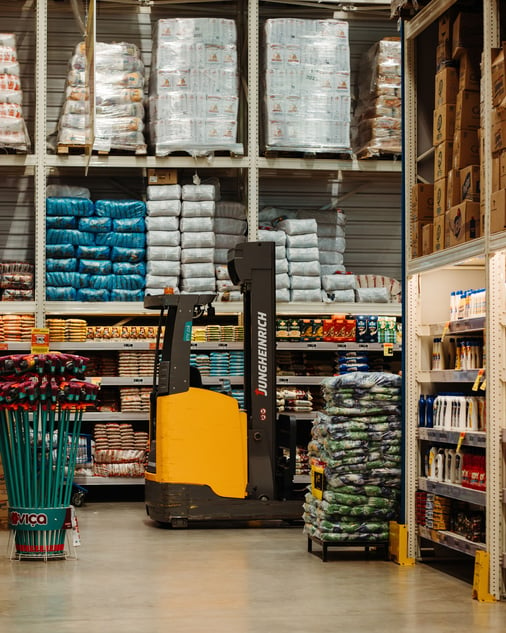
Janitorial and sanitation supply distributors face a persistent cash flow challenge: median DSO runs 45-60 days, while many businesses in this sector operate on thin margins and must pay suppliers before customers pay them. That gap between top performers and median companies can determine whether a distributor has enough working capital for inventory, payroll, and growth. With the global janitorial supplies market valued at $42.8 billion in 2025 and projected to keep growing, understanding DSO benchmarks and improving receivables performance has become essential for distributors seeking more predictable cash flow. Modern net terms financing and AR automation can help transform this equation by letting distributors offer flexible payment terms while converting approved receivables into faster working capital.
Key Takeaways
- Median DSO typically runs 45-60 days: Janitorial and sanitation supply distributors often collect in this range, while top performers can operate closer to under 35 days.
- Thin margins make AR discipline essential: Even modest DSO improvements can free working capital for inventory, payroll, supplier negotiations, and growth.
- Invoice speed affects cash flow: Delayed invoicing, missing documentation, and invoice disputes can push collections beyond the agreed payment terms.
- Automation improves receivables workflows: Modern accounts receivable automation helps reduce manual reminders, reconciliation delays, and collection follow-up gaps.
- Credit decisions shape DSO outcomes: Strong credit checks and segmented payment terms help distributors extend terms more confidently.
- Resolve Pay supports faster cash access: Resolve Pay can advance up to 100% on approved invoices, helping sellers get paid faster while buyers keep approved net terms.
Understanding Days Sales Outstanding in Janitorial and Sanitation Supply
Days sales outstanding measures the average number of days it takes a business to collect payment after making a credit sale. For janitorial and sanitation supply distributors, this metric directly affects operational liquidity and the ability to fund inventory purchases, payroll, supplier payments, and growth initiatives.
The janitorial supply industry presents several DSO challenges:
- Extended payment terms are common: Institutional customers often expect Net 30, Net 60, or longer approved terms, which creates built-in cash flow delays.
- Customer payment behavior varies: Distributors may serve property management firms, healthcare facilities, educational institutions, government buyers, and commercial cleaning companies, each with different payables processes.
- Recurring orders create recurring exposure: Repeat contracts stabilize revenue, but they also create ongoing credit exposure when buyers pay slowly.
- Margins leave limited room for delays: When margins are tight, even a small rise in DSO can reduce a distributor’s ability to restock inventory or take on new accounts.
DSO impacts nearly every part of operations. When distributors wait 45-60 days for payment on inventory they purchased much earlier, they are effectively financing their customers’ operations. This working capital strain can limit supplier negotiating power, reduce growth flexibility, and create more vulnerability during slower sales cycles.
Calculating Days Sales Outstanding
The standard DSO formula applies across industries but requires careful attention to inputs for accurate calculation in the janitorial supply sector:
DSO = (Accounts receivable ÷ Total credit sales) × Number of days
For monthly calculation:
DSO = (Ending AR balance ÷ Monthly credit sales) × 30
For quarterly or annual periods, replace 30 with the appropriate number of days.
Calculation best practices for janitorial distributors
Separate credit sales from cash transactions: Include only invoiced sales where payment terms apply. Cash-on-delivery or prepaid orders should be excluded.
Account for seasonality: Janitorial supply demand can fluctuate with commercial cleaning contract cycles, facility budget periods, and seasonal cleaning patterns. Calculate rolling 12-month DSO alongside monthly figures to separate real trends from short-term seasonality.
Segment by customer type: Slow-paying property management firms can stretch DSO, while smaller cleaning companies may pay closer to terms. Segment analysis helps identify which customer groups are driving collection delays.
Track payment terms against actual payment timing: A distributor offering Net 30 but collecting in 50 days has a different problem than one offering Net 60 and collecting in 62 days. Comparing agreed terms with actual collections reveals whether the issue is customer mix, collection process, or invoice disputes.
Example calculation
A janitorial supply distributor has:
- $450,000 in accounts receivable
- $250,000 in monthly credit sales
DSO = ($450,000 ÷ $250,000) × 30 = 54 days
This places the company in a typical median range. Reducing DSO to 40 days would free a meaningful amount of working capital that could be used for inventory, supplier payments, or sales expansion.
Industry Benchmarks for Average DSO
Current benchmark data shows meaningful variation within the janitorial and sanitation supply sector.
DSO performance tiers
Performance benchmarks generally fall into three tiers:
- Top quartile: Less than 35 days. These distributors typically maintain strong credit policies, clean invoicing processes, automated collections, and selective customer approval practices.
- Median performance: 45-60 days. This reflects typical payment cycles for companies with a mix of manual and automated AR workflows.
- Bottom quartile: Greater than 75 days. These companies often face weak collection processes, high-risk receivables concentration, or manual AR management.
Comparison with related industries
The janitorial and sanitation supply sector sits within broader distribution and service-sector patterns. Professional services often fall in the 30-60 day range, while wholesale distribution commonly falls around 30-50 days. Janitorial distributors serving institutional buyers may skew toward the higher end because those buyers often have more formal payables cycles.
What good DSO looks like in 2026
For janitorial and sanitation supply distributors, target DSO depends on customer mix and business model:
- Distributors serving smaller cleaning companies: 30-40 days may be a realistic target.
- Distributors serving institutional buyers: 45-55 days may be more realistic without external financing.
- Mixed portfolio distributors: 40-50 days is often a practical benchmark when supported by segmented credit management.
The goal is not simply to force every buyer into shorter terms. The stronger strategy is to align terms, credit limits, financing options, and collection workflows with each buyer’s risk and value.
Key Factors Influencing DSO in Janitorial and Sanitation Businesses
Multiple internal and external factors shape DSO performance. Understanding these levers helps distributors improve cash flow without damaging customer relationships.
Internal factors
Credit policy and customer selection
The customers approved for credit terms determine baseline DSO. If a distributor extends large credit lines without reviewing payment history, business stability, or order patterns, slow collections become more likely. A structured business credit check process helps sellers evaluate risk before offering terms.
Invoice accuracy and timing
Invoice errors create legitimate reasons for payment delays. Wrong quantities, unclear product descriptions, missing purchase order numbers, pricing discrepancies, and missing proof of delivery can all delay approval inside a buyer’s AP department.
Collection process efficiency
The gap between due date and first collection contact has a major effect on recovery. Early follow-up helps resolve administrative issues before they become larger collection problems. Automated reminders, payment links, and clear escalation steps can reduce delays without creating unnecessary friction.
Payment convenience
Limited payment options can slow collections even when buyers intend to pay. A branded portal that supports ACH, wire, credit card, and check gives buyers more flexibility and reduces back-and-forth with accounting teams.
External factors
Customer industry concentration
Distributors heavily weighted toward property management, healthcare, education, or government buyers often face longer payables cycles. These customers may have multi-step approval processes that make shorter DSO difficult without automation or financing.
Economic conditions
Economic slowdowns can extend payment cycles across customer segments. Buyers may prioritize cash preservation, delay vendor payments, or request longer terms. A stronger credit policy and disciplined AR workflow help limit exposure during these periods.
Competitive pressure on terms
The janitorial supplies market is projected to grow to $68.5 billion by 2034. As competition increases, distributors may feel pressure to offer Net 60 or other extended terms to win larger accounts. Those terms can support revenue growth, but they also increase DSO unless paired with financing or tighter receivables controls.
Seasonality
Contract renewals, school calendars, budget cycles, and seasonal cleaning intensity can affect both order volume and payment timing. Distributors should include these patterns in cash flow forecasts instead of relying only on a single monthly DSO figure.
Strategies for Effective Cash Flow Management
Beyond AR follow-up, comprehensive cash flow management helps distributors maintain liquidity even when customers need flexible payment terms.
Working capital optimization
Align inventory with cash conversion cycles
If DSO runs 50 days and inventory turns slowly, cash can be tied up for months before it returns to the business. Better demand planning, reorder discipline, and supplier coordination reduce the amount of capital trapped in inventory.
Negotiate supplier terms carefully
Supplier terms should be reviewed against customer collection cycles. When supplier payments are due before customer invoices are collected, the distributor carries the financing burden. Better supplier alignment can reduce pressure on operating cash.
Maintain practical cash reserves
Cash reserves help cover payroll, supplier payments, and urgent inventory needs when collections slow. Even well-run distributors can experience short-term DSO spikes when large buyers delay approval.
Revenue and term management
Use deposits for new or higher-risk accounts
Deposits or prepaid first orders can help establish payment behavior before a distributor extends larger credit limits.
Segment terms by customer value and risk
High-value, creditworthy customers may qualify for longer terms, while newer or higher-risk buyers may start with shorter terms. This keeps the sales process flexible while protecting cash flow.
Review terms periodically
Payment history should influence future term availability. Reliable buyers may qualify for more flexibility, while slow-paying buyers may need revised limits, shorter terms, or additional review.
Forecasting and planning
Accurate cash flow forecasting should include:
- Historical DSO trends by customer segment
- Seasonal adjustment factors
- AR aging concentration
- Sales pipeline timing
- Collection probability by buyer type
- Expected funding from approved receivables
This helps distributors anticipate cash gaps before they become urgent.
Optimizing Accounts Receivable Management to Reduce DSO
Direct AR optimization offers one of the fastest paths to DSO improvement. Process discipline and automation can reduce delays without requiring major changes to customer relationships.
Invoice process optimization
Send invoices immediately upon delivery: Every day of invoice delay adds directly to cash collection timing. Electronic invoicing at delivery helps reduce unnecessary lag.
Standardize invoice format: Clear invoices should include payment terms, due dates, purchase order details, remittance instructions, and contact information for disputes.
Include multiple payment options: ACH, wire, credit card, and check options accommodate different buyer preferences and remove avoidable payment friction.
Resolve disputes quickly: A dispute tracking process helps teams identify whether problems stem from pricing, delivery documentation, customer approval workflows, or internal data quality.
Collection policy enhancement
A clear escalation timeline keeps follow-up consistent:
- Day 1-7 past due: Automated reminder email
- Day 8-14: Personal follow-up with accounts payable
- Day 15-21: Escalation to customer management
- Day 22-30: Formal collection notice or payment plan discussion
- Day 31 and beyond: Final review and escalation based on risk, relationship value, and invoice size
High-balance and high-risk accounts deserve more personal attention. Smaller balances may be handled through automated workflows until they reach a defined escalation threshold.
Technology-enabled AR automation
Modern AR automation tools can improve collection efficiency through:
- Automated invoice reminders
- Payment reconciliation
- Customer self-service portals
- Credit and AR dashboards
- Payment status syncing
- Collections workflow automation
For distributors using accounting, ERP, or ecommerce systems, financial tech integrations reduce duplicate entry and help keep invoice and payment data consistent across platforms.
Leveraging Technology for Improved AR and Cash Flow
Technology investment can improve DSO by connecting credit decisions, invoicing, collections, payments, and reconciliation into one workflow.
AI-powered credit decisioning
Traditional credit reviews can be slow and manual. AI-powered credit tools evaluate broader business signals and help sellers make faster decisions. Resolve Pay’s platform supports credit checks, underwriting, and AR workflows so merchants can offer terms with more confidence.
Advanced credit workflows can also support quiet pre-approval checks using basic business information. This helps sellers understand buyer eligibility before asking for paperwork or delaying an order.
Integrated payment portals
Centralized payment portals let customers view invoices, confirm balances, and pay through supported methods. Resolve Pay’s branded buyer portal can support ACH, wire, credit card, and check, helping buyers pay through the method that fits their process.
ERP and ecommerce integration
Two-way synchronization between AR platforms and ERP or accounting systems reduces duplicate entry. Invoice data can flow into the AR workflow, while payment and reconciliation data sync back to the system of record.
For online sales channels, net terms for ecommerce can bring term applications and approvals closer to checkout. This helps distributors offer B2B payment flexibility without relying entirely on manual credit review.
Implementation considerations
Start with high-impact workflows first, such as invoice delivery, reminders, payment reconciliation, and buyer credit review. Clean customer records and accurate invoice data are essential because automation depends on reliable inputs. Teams should also define where human review is needed, especially for disputes, large balances, and strategic accounts.
The Impact of Flexible Payment Terms and Financing on DSO
Offering competitive payment terms while maintaining healthy DSO can feel contradictory. Modern financing solutions help separate buyer payment timing from seller cash receipt.
The net terms paradox
Buyers increasingly expect flexible payment terms. Institutional janitorial supply customers may require Net 30, Net 60, or longer approved terms, and competitive pressure can push distributors to extend terms for larger accounts. Yet extended terms naturally increase DSO and strain working capital.
Traditional responses create tradeoffs:
- Refusing extended terms: This may protect cash flow but can limit access to larger accounts.
- Self-financing extended terms: This supports buyer needs but ties up capital and increases credit exposure.
- Selling invoices after issuance: This can provide funding, but it may not create the same embedded buyer approval and payment workflow as a modern net terms platform.
Non-recourse net terms financing
Net terms financing platforms offer a different approach: sellers offer approved buyers terms while receiving faster payment on eligible invoices. Resolve Pay underwrites buyers, supports payment workflows, and can advance up to 100% on approved invoices.
Key benefits for janitorial supply distributors include:
- Faster cash access: Approved invoices can be funded far sooner than the customer’s payment due date.
- Non-recourse structure: For approved buyers, Resolve Pay helps reduce seller exposure to bad debt.
- No balance sheet loan: Receivable advances are designed as invoice-based funding, not a traditional loan.
- Customer relationship control: White-label and branded experiences help sellers preserve buyer relationships.
- Connected AR workflows: Credit, invoicing, payments, collections, and reconciliation can operate in one process.
This structure helps distributors offer competitive terms while keeping working capital available for inventory, staffing, and growth.
Strategic term optimization
Even without external financing, strategic term management improves DSO:
- Segment terms by customer value and risk.
- Require credit review before approving large limits.
- Review payment performance regularly.
- Communicate due dates and payment expectations clearly.
- Use automation to follow up early and consistently.
Distribution Examples and Success Patterns
Specific janitorial supply case studies are limited in public data, but distribution and materials businesses show how better net terms workflows can support growth.
Industrial and equipment distribution patterns
Industrial distributors often face similar payment timing pressure. Large buyers expect terms, while sellers need cash to replenish inventory and fulfill orders. A modern B2B payments platform can help these sellers approve buyers, offer terms, and collect payments without relying on manual AR processes.
Resolve Pay customer examples in related distribution categories show common outcomes: more confidence offering terms, less time spent chasing payments, and stronger working capital flexibility. The exact impact varies by buyer mix, approved invoices, and implementation scope.
Construction and materials distribution patterns
Construction materials and equipment suppliers also sell into customers that often expect terms. When approved invoices qualify for faster payment, suppliers can support buyer flexibility while improving cash availability. This is especially valuable when the seller must restock inventory before customer payment arrives.
Key success factors
Successful receivables improvement usually depends on:
- Strong credit review before terms are approved
- Clear payment policies and due dates
- Automated reminders and reconciliation
- Early dispute resolution
- Integrated ERP or accounting data
- Non-recourse funding for approved invoices where appropriate
Forecasting and Maintaining Healthy DSO
Sustainable DSO management requires ongoing monitoring, proactive adjustment, and practical planning for market changes.
Continuous DSO monitoring
Track DSO monthly alongside AR aging. Healthy receivables should show most balances in the current bucket, with limited exposure in older aging categories. If the 31-60 or 61-90 day buckets begin growing, future DSO will likely deteriorate.
Distributors should also monitor DSO by:
- Customer type
- Sales channel
- Product category
- Sales representative
- Payment method
- Credit tier
This helps identify whether DSO problems come from a specific buyer segment, process issue, or broader market shift.
Market adaptation strategies
The janitorial supply market continues changing as ecommerce, sustainability requirements, and institutional purchasing processes evolve. Online sales are projected to become a larger share of the market by 2034, which increases the value of embedded checkout terms, automated payment portals, and real-time credit workflows.
Green-certified products are also becoming more visible in the category, which may shift some demand toward institutional buyers with more formal procurement and payment processes. Distributors should plan for both growth and longer approval cycles when serving these accounts.
Risk mitigation framework
To keep DSO under control, distributors should:
- Avoid excessive concentration in a few large receivables.
- Maintain disciplined credit approval standards.
- Use automation before manual AR becomes a bottleneck.
- Review payment behavior before expanding credit limits.
- Consider financing partnerships for approved invoices when growth creates cash strain.
Transform Your DSO With Resolve Pay
Janitorial and sanitation supply distributors do not have to choose between competitive payment terms and healthy cash flow. Resolve Pay’s net terms platform helps merchants offer approved buyers flexible terms while receiving faster payment on eligible invoices.
This approach can change the cash flow profile of a distributor. Instead of waiting through the full customer payment cycle, sellers can access working capital sooner while buyers continue using approved terms. Resolve Pay’s non-recourse structure also helps reduce seller exposure when approved buyers default.
Resolve Pay supports AI-powered credit decisioning, buyer payment workflows, branded payment portals, collections support, and integrations with major ecommerce, ERP, and accounting systems. For sellers using online channels, embedded net terms can bring buyer applications and approvals into the purchasing flow. For sellers managing invoices offline, net terms management can help centralize credit, payment reminders, collections, and reconciliation.
The result is a more scalable receivables model. Distributors can offer the terms that qualified buyers expect while keeping cash available for inventory investment, supplier negotiations, and market expansion.
Frequently Asked Questions
What percentage of accounts receivable should be current for a healthy janitorial supply business?
A healthy AR profile should keep most receivables in the current bucket, with limited balances aging beyond terms. Distributors should review AR aging monthly and investigate any increase in 31-60, 61-90, or 90-plus day balances.
How do seasonal fluctuations affect DSO calculations?
Seasonal purchasing, facility budget cycles, and contract renewals can distort monthly DSO. A rolling 12-month view gives a clearer picture because it smooths temporary spikes and shows whether collection performance is improving or worsening.
Should janitorial distributors offer early payment incentives?
Early payment incentives can help some buyers pay faster, but they should be used selectively. Distributors should compare the cash flow benefit against margin impact and consider automation or approved invoice financing as alternatives.
How does customer mix affect DSO targets?
Customer mix has a major impact. Smaller cleaning companies may pay closer to standard terms, while healthcare, education, government, and property management buyers often have longer approval cycles. Segmenting DSO targets by customer type gives a more realistic benchmark.
How can Resolve Pay help reduce DSO pressure?
Resolve Pay helps sellers offer approved net terms while receiving faster payment on eligible invoices. It also supports credit checks, AR automation, branded payment portals, collections workflows, and integrations that reduce manual receivables work.
This post is to be used for informational purposes only and does not constitute formal legal, business, or tax advice. Each person should consult his or her own attorney, business advisor, or tax advisor with respect to matters referenced in this post. Resolve assumes no liability for actions taken in reliance upon the information contained herein.