
 Aug 07, 2026

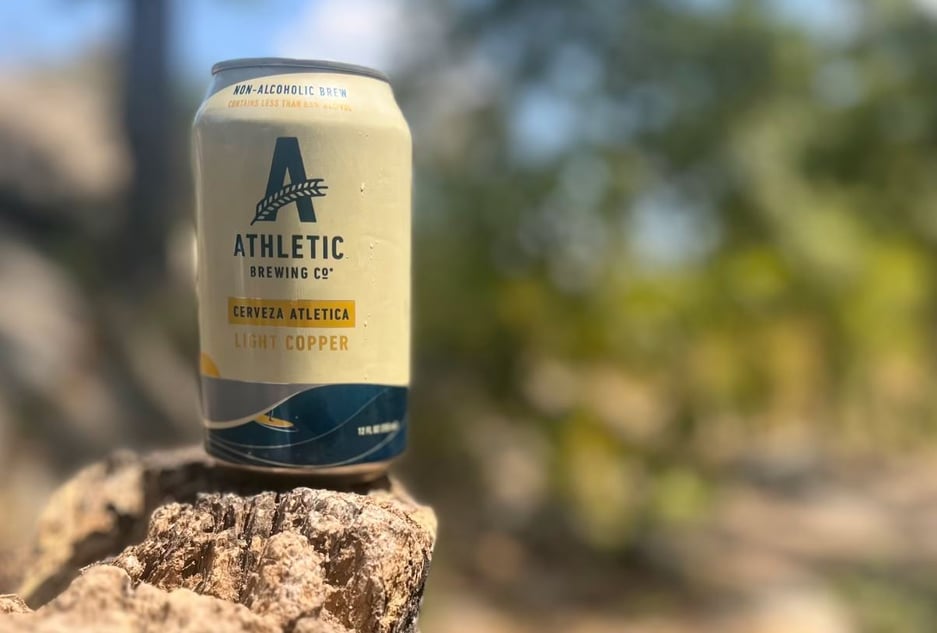
Non-alcoholic beer brands like Athletic Brewing have carved out wholesale opportunities as the category expands. With over 484 NA beer brands now competing for shelf space and 15% volume growth in U.S. no-alcohol beer, understanding how payment terms function across regulatory classifications, distribution contracts, and sales channels has become essential for distributors, retailers, and beverage brands alike. Payment flexibility often depends on whether products fall within state alcohol regulatory frameworks or are treated as non-alcoholic beverages under federal and state definitions.
Key Takeaways
- Athletic Brewing accepts credit card and approved EFT payments, requiring payment before shipment unless other arrangements are agreed to in writing
- Products below 0.5% ABV may receive different federal treatment, but brands must review ingredients, production methods, labeling rules, and state definitions
- TTB guidance indicates that payment terms beyond 30 days may receive additional scrutiny under federal consignment-sale rules
- California AB 2991 requires electronic payments by the 30th day for covered wholesale alcohol transactions effective January 2026, with specified exceptions
- South Carolina applies strict cash-sale and electronic-transfer requirements for covered alcoholic beverages
- Resolve Pay's net terms financing enables brands to offer flexible payment terms while accessing invoice advances within 24 hours
The Rise of Non-Alcoholic Beer and Its Impact on Wholesale Distribution
The NA beer category has expanded from niche health product to mainstream beverage option, fundamentally reshaping distribution economics. Craft NA beer now commands 36% of dollar sales within the NA category, with brands like Athletic Brewing, WellBeing, and Partake serving growing consumer demand as traditional beer faces declining market share.
This growth creates unique wholesale dynamics:
- Federal classification considerations: Beverages below 0.5% ABV may qualify as non-alcoholic beverages for certain federal purposes, though brands must evaluate their specific ingredients, production methods, and applicable regulations
- Regulatory positioning: Products classified outside alcohol regulations may have greater flexibility in payment term arrangements
- Distribution channel diversity: Traditional alcohol distributors increasingly carry NA products, while brands also explore marketplace partnerships and direct channels
- Multi-channel payment structures: Payment terms may vary depending on whether sales occur through distributors, marketplaces, or direct ordering platforms
The market trajectory suggests continued strong growth for NA beer. For wholesalers and retailers evaluating supplier relationships, understanding available payment structures has become as important as product quality in vendor selection.
Navigating Retail Payment Terms for Non-Alcoholic Beverage Wholesalers
Traditional alcohol distribution operates under payment constraints that vary by state, product type, and license category. Understanding these restrictions illuminates the different approaches available to beverage brands depending on their regulatory classification.
Common Payment Requirements in Alcohol Distribution
Beverage distributors working with alcoholic products face varied state regulations that affect accounts receivable management:
- Cash-on-delivery jurisdictions: Multiple states require immediate or very short-term payment for beer and wine
- South Carolina framework: Strict cash-sale and electronic-transfer requirements apply to covered alcoholic beverages
- California electronic payment mandate: AB 2991 requires electronic funds transfer by the 30th day for covered wholesale alcohol transactions starting January 2026, with exceptions and options for wholesalers to accept credit cards
- Federal consignment guidance: TTB guidance indicates that payment terms extending beyond 30 days may receive additional scrutiny as potential consignment arrangements
These varying requirements create working capital considerations for both distributors and retailers. When payments must clear within short windows, retailers have less flexibility to align cash outflows with revenue generation.
Strategies for Managing Payment Terms
Brands positioned outside traditional alcohol payment restrictions may structure terms differently:
Multi-channel payment options: Athletic Brewing's wholesale program accepts both credit cards through Shop Pay and approved EFT payments. The company's published terms and conditions require payment in full prior to shipment unless otherwise agreed in writing. For smaller retailers, Athletic Brewing directs inquiries to marketplace partners, while encouraging buyers to order through local distributors where available, creating payment structures that may differ across channels.
Platform integration: Sophisticated B2B payment solutions enable brands to offer flexible terms while managing compliance across multiple jurisdictions and sales channels.
Credit assessment automation: AI-powered business credit checks allow rapid buyer qualification, enabling brands to make informed credit decisions efficiently.
The Specifics of Net-30 Payment Terms in Beverage Wholesale
Net-30 represents the standard in commercial trade credit, giving buyers 30 days from invoice date to remit payment. For beverage wholesale, this term carries regulatory implications that differ depending on whether products fall within alcohol payment regulations.
Understanding Net-30 Benefits and Considerations
Benefits of Net-30 for retail buyers:
- Opportunity to sell through inventory before payment comes due
- Better alignment of cash outflows with revenue generation
- Reduced reliance on credit lines for inventory purchases
- Ability to build payment history with suppliers for future credit expansion
Considerations for wholesale sellers:
- Extended receivables impact working capital availability
- Credit risk assessment becomes critical for term decisions
- Collection follow-up requires dedicated administrative processes
- Careful management needed to minimize bad debt exposure
For products subject to federal alcohol regulations, TTB guidance establishes that payment terms exceeding 30 days may constitute consignment sales arrangements requiring additional scrutiny. Brands whose products fall outside these regulations may have greater flexibility in structuring term offerings.
Optimizing Net-30 for Cash Flow
Wholesalers offering Net-30 can protect cash flow through several mechanisms:
- Early payment incentives: Discount structures that reward faster payment without presenting specific pricing formulas
- Credit limits tied to payment history: Progressive credit expansion that rewards consistent payment performance
- Automated payment reminders: Collections automation reduces days sales outstanding without straining customer relationships
- Invoice financing: Access funds quickly while buyers pay on agreed terms
Beyond Net-30: Exploring Net-15, Net-60, and Net-90 Options
Payment term flexibility can distinguish brands in competitive wholesale negotiations. While many jurisdictions cap payment windows for alcoholic beverages, brands classified outside alcohol regulations may offer extended terms that improve retailer economics.
When Extended Payment Terms Make Strategic Sense
Longer payment windows serve specific business scenarios:
- New account acquisition: Extended terms can attract retailers evaluating new supplier relationships
- Seasonal inventory preparation: Pre-season stocking benefits from payment windows that extend beyond the ordering period
- Volume commitment incentives: Larger purchase commitments may justify more favorable payment structures
- Category expansion support: Better terms can help retailers allocate working capital to growing beverage segments
Understanding the pros and cons of offering net terms requires careful analysis of working capital capacity and credit risk tolerance.
Balancing Risk Management and Growth
Extending payment terms requires structured credit policies covering:
- Credit limit frameworks: Initial conservative limits with expansion criteria based on payment performance
- Ongoing credit monitoring: Systems to track buyer financial health throughout the relationship
- Approval authority structures: Clear decision-making processes for credit extensions and exceptions
- Dispute resolution procedures: Defined workflows for addressing invoice disputes promptly
- Overdue account protocols: Structured escalation that preserves relationships while protecting receivables
Why Extended Payment Terms Create Challenges for Growing Brands
Despite flexibility to offer extended terms, these arrangements still create operational challenges for brands managing rapid expansion.
Working Capital Impact on Small and Growing Brands
Cash flow strain intensifies during growth phases:
- Inventory investment requirements: Production demands capital investment months before retail payment
- Distribution expansion costs: New geographic markets and accounts tie up receivables across unfamiliar territories
- Seasonal concentration: Peak selling periods create concentrated receivables exposure
- Marketing investment needs: Brand building requires cash that may be locked in outstanding invoices
Small breweries often lack the credit facilities to bridge these timing gaps, limiting their ability to offer competitive terms despite regulatory flexibility.
Addressing Extended Term Challenges
Brands can manage Net-30 and longer term challenges through several approaches:
Non-recourse financing: Platforms that advance funds against qualifying invoices while assuming buyer credit-default risk on covered, approved, valid, and undisputed invoices under program terms provide a better alternative than traditional factoring that preserves working capital.
Automated AR processes: Technology reduces the administrative burden of managing payment terms across numerous retail accounts and sales channels.
Streamlined credit assessment: AI-powered underwriting enables rapid credit decisions that support competitive term offerings without extensive manual underwriting work.
Automating Accounts Receivable and Collections for Beverage Wholesalers
Manual AR processes cannot scale efficiently with growing wholesale operations. Automation transforms payment management from administrative burden to competitive capability.
Streamlining the Collections Process
Effective collections preserve customer relationships while ensuring timely payment:
- Multi-channel communication: Email, SMS, and phone outreach reaches buyers through their preferred contact methods
- Intelligent escalation workflows: Systems automatically escalate based on payment history, account status, and response patterns
- Dispute management systems: Automated logging and routing ensures disputes receive quick attention and resolution
- Self-service payment portals: Online account access lets buyers manage payments and view invoices conveniently
The Benefits of AI in AR Management
Modern AR platforms leverage artificial intelligence across multiple functions:
- Credit decisioning support: Rapid approvals based on comprehensive data analysis
- Payment prediction models: Machine learning forecasts payment timing and surfaces accounts requiring attention
- Automated cash reconciliation: Matching eliminates manual invoice-to-payment tracking work
- Portfolio health dashboards: Real-time visibility into DSO trends and aging patterns
Securing Immediate Cash Flow: Non-Recourse Financing for NA Beer Wholesalers
The gap between invoice issuance and payment receipt creates working capital constraints that limit growth. Invoice financing bridges this gap, but financing structures vary significantly in their impact on brand operations and customer relationships.
Understanding Non-Recourse Financing
Non-recourse financing structures differ from traditional approaches by transferring qualifying credit risk to the financing provider. Under non-recourse programs, the platform assumes buyer credit-default risk on covered, approved, valid, and undisputed invoices according to merchant agreement terms. This allows brands to:
- Access working capital quickly: Advances on approved invoices provide cash for operational needs
- Maintain customer relationships: Direct control over customer communications and collection processes
- Eliminate certain default exposure: Qualifying buyer credit defaults on covered invoices are absorbed by the financing provider
- Preserve financial reporting clarity: Avoid complications from traditional factoring arrangements
How to Improve Working Capital Management
Working capital optimization requires systematic approaches:
- Accelerate receivables conversion: Financing converts extended payment terms into available cash
- Strategic payable management: Negotiate appropriate terms with suppliers where beneficial
- Inventory cycle efficiency: Better demand forecasting minimizes capital tied up in excess stock
- Continuous metrics monitoring: Track days sales outstanding, days payable outstanding, and cash conversion cycle regularly
Why Resolve Pay Streamlines B2B Payments for Beverage Brands
For NA beer brands and beverage wholesalers seeking to offer competitive payment terms without sacrificing cash flow, Resolve Pay delivers purpose-built solutions addressing the unique challenges of B2B beverage distribution.
Resolve Pay goes beyond basic payment processing with capabilities specifically relevant to wholesale beverage operations:
- Net Terms Financing: Offer Net 30, 60, or 90 day terms to retailers while accessing advances of up to 90% of approved invoice value within 24 hours, subject to underwriting, verification, banking schedules, and program terms
- Non-Recourse Protection: Resolve assumes qualifying buyer credit-default risk on covered, approved, valid, and undisputed invoices under merchant agreement terms
- AI-Powered Credit Decisions: Rapid buyer qualification enables competitive term offerings without manual underwriting delays
- Automated AR Workflows: Invoice generation, payment reminders, dispute tracking, and reconciliation processes happen automatically
- Integrated Collections: Multi-channel follow-up sequences preserve customer relationships while reducing days sales outstanding
Resolve Pay integrates with major systems including QuickBooks Online, Xero, NetSuite, Sage Intacct, Shopify, BigCommerce, Magento, and WooCommerce. This connectivity eliminates manual data entry and ensures seamless financial operations as wholesale networks expand.
For beverage brands looking to compete on payment terms without working capital strain, Resolve Pay's platform provides the infrastructure to offer retailer-friendly terms while maintaining healthy cash flow.
Conclusion: Payment Terms as Competitive Advantage in NA Beer Wholesale
Non-alcoholic beer brands operate in a rapidly growing category where wholesale payment flexibility can accelerate retail partnerships and distribution expansion. While regulatory frameworks create different requirements for alcoholic versus non-alcoholic products, brands in both categories face the challenge of offering competitive payment terms without exhausting working capital.
Resolve Pay connects the critical functions of credit assessment, net terms offerings, invoice advancement, payment processing, automated collections, and reconciliation into a unified platform built for wholesale distribution. By advancing funds on approved invoices within 24 hours while assuming qualifying buyer credit risk on covered transactions, Resolve enables brands to offer Net 30, 60, or 90 day terms that retailers value, without the cash flow constraints that typically limit term extensions.
As payment term flexibility becomes an increasingly important factor in wholesale supplier selection, brands equipped with the right payment infrastructure gain measurable advantages in account acquisition, order volume growth, and customer retention across their retail networks.
Frequently Asked Questions
What payment terms does Athletic Brewing offer for wholesale orders?
Athletic Brewing accepts credit card payments and approved electronic funds transfers for wholesale orders. According to their published wholesale terms and conditions, payment in full is required prior to shipment unless other arrangements are agreed to in writing. Smaller retailers may be directed to marketplace partners, while Athletic Brewing encourages ordering through local distributors where available, creating payment structures that vary by sales channel.
How does federal classification affect NA beer payment terms?
Products below 0.5% ABV may receive different treatment under federal regulations compared to alcoholic beverages. However, classification depends on multiple factors including ingredients, production methods, labeling, permits, and state-specific definitions. TTB guidance indicates that payment terms beyond 30 days may receive scrutiny as potential consignment arrangements for products within federal alcohol regulations, while products classified outside these frameworks may have different considerations.
How does Resolve Pay's net terms financing work for beverage wholesalers?
Resolve Pay enables wholesalers to offer Net 30, 60, or 90 day payment terms to retail buyers while accessing advances of up to 90% of approved invoice value within 24 hours. The platform handles buyer credit assessment, invoice management, payment processing, automated collections, and cash reconciliation. Advance timing and amounts depend on underwriting approval, invoice verification, banking schedules, and specific program terms under the merchant agreement.
What does non-recourse protection mean with Resolve Pay?
Non-recourse protection means that Resolve assumes qualifying buyer credit-default risk on covered, approved, valid, and undisputed invoices according to merchant agreement terms. When a qualifying covered invoice goes unpaid due to buyer credit default, the merchant is not required to repurchase the invoice or refund the advance received. This differs from recourse arrangements where the seller remains liable for buyer non-payment.
What platforms does Resolve Pay integrate with?
Resolve Pay integrates with major accounting and ecommerce platforms including QuickBooks Online, Xero, NetSuite, Sage Intacct, Shopify, BigCommerce, Magento, and WooCommerce. These integrations enable automatic invoice syncing, payment reconciliation, and financial reporting without manual data entry. Platform connectivity ensures that AR data flows seamlessly between systems as wholesale operations scale across multiple sales channels and geographic markets.
This post is to be used for informational purposes only and does not constitute formal legal, business, or tax advice. Each person should consult his or her own attorney, business advisor, or tax advisor with respect to matters referenced in this post. Resolve assumes no liability for actions taken in reliance upon the information contained herein.